



challenges 2026
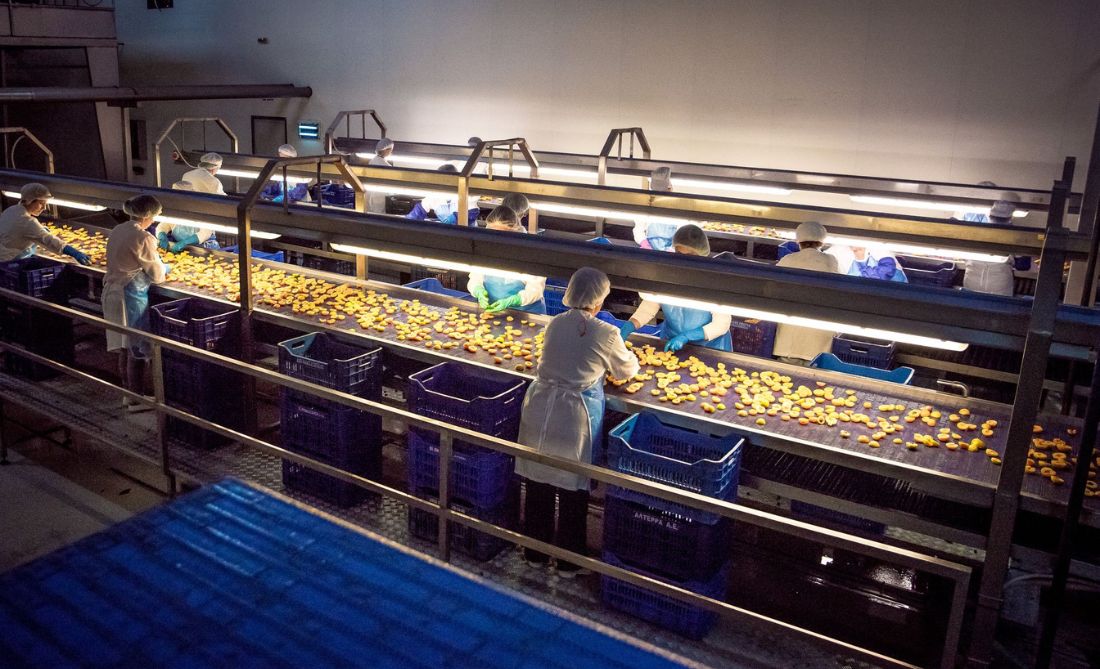
Frozen Food Production Optimization
ALTERRA SA
Brief Challenge Description
We are IQF producers of Frozen vegetables & fruits. We have 4 IQF Freezing tunnels with different capacities and different operating parameters per product. Production scheduling and optimization takes place with more traditional methods like excel files with limited options in optimization, "what if" scenarios and "bottleneck" identification in time. Taking into consideration the limited time of operation per crop we are looking for an automized solution for Frozen Food Production Optimization
Expected Results from the Solution
Reduction of production planning time, bottleneck identification, what if scenarios and production forecasting in connection with sales demand and production days utilization during the campaign.
Contact the Challenge Owner:
Konstantinos Moschou, CRM – Quality department via kmoschou@alterra.gr
See the Challenge presentation here
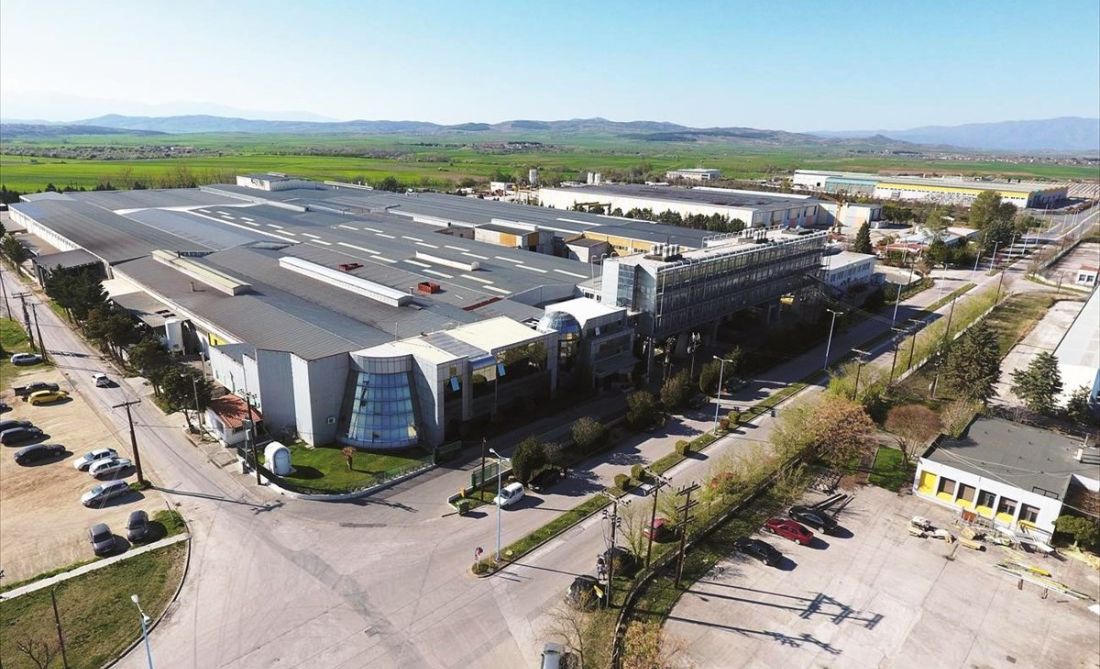
Affordable, simple automation tools for small window manufacturers to boost speed, consistency, and reduce reliance on scarce skilled labor.
Alumil SA
Brief Challenge Description
Aluminium window manufacturing remains a complex, multi-stage process heavily dependent on skilled manual labor, which is increasingly scarce. Small and medium-sized manufacturers struggle to meet rising demand for faster, high-quality production, while existing automation solutions are too costly and inaccessible. This creates a critical need for affordable, practical innovations that enhance productivity and consistency for everyday workshop teams.
Expected Results from the Solution
Faster and more consistent production, reduced dependence on highly skilled labor, improved product quality, and fewer errors. The solution should enhance daily workflows, increase efficiency, and enable small and medium manufacturers to scale operations competitively through affordable, easy-to-use tools.
VIDEO:
See more here
Contact the Challenge Owner:
Alexios Matakos, Technical Consultant Alumil via a.matakos@alumil.com
See the Challenge presentation here
Innovative flood protection solutions purpose-built to scale across both residential and B2B contexts.
Alumil SA
Brief Challenge Description
Flood protection solutions today fail to address large-scale openings (1–6 m) in facilities such as hospitals, logistics hubs, and underground parking. Existing systems are costly or impractical when scaled, leaving critical infrastructure and non-standard residential openings vulnerable. This gap matters for property owners, operators, and communities facing increasing flood risks due to climate change.
Expected Results from the Solution
The solution should provide scalable flood protection (1–6 m width, up to 2 m water), withstand hydrostatic and dynamic loads, ensure low leakage, and be durable in harsh conditions. It must be cost-effective (≥€150/m2), easy to install without expertise, adaptable to various structures, and allow fast manual or automated deployment. (Aluminium is preferred but not required.)
VIDEO:
See more here
Contact the Challenge Owner:
George Tsipos, Alumil via info@antiplimmirika.gr
See the Challenge presentation here
Integrating Agri-PV Systems in Weak Rural Grids
BRITE
Brief Challenge Description
As agrivoltaic (agri-PV) installations expand in rural and remote areas, a major industrial and technical challenge emerges: how to connect and operate large-scale agri-PV systems within weak or underdeveloped electricity distribution grids.
Expected Results from the Solution
Secure and stable operation of agri-PVs in rural and off-grid contexts, Reduced grid congestion and voltage instability Higher utilization of locally produced renewable energy, Scalable, cost-effective deployment models for large agri-PV farms
Contact the Challenge Owner:
Nikos Kanopoulos, CEO BRITE via nkanopoulos@britesolar.com
Digital Tool for Optimizing PV Module Transparency
BRITE
Brief Challenge Description BRITE faces a significant industrial challenge in optimizing the transparency of photovoltaic (PV) modules used in agrivoltaic systems. Currently, transparency levels are selected empirically, relying on manual trial-and-error methods that balance light transmission for crops with energy yield. This approach is time-consuming, non-standardized, and may lead to suboptimal performance.
Expected Results from the Solution
Develop a systematic, data-driven digital tool that automatically calculates the optimal PV transparency based on key parameters such as climate zone, crop type, and local solar conditions.
Contact the Challenge Owner:
Nikos Kanopoulos, CEO BRITE via nkanopoulos@britesolar.com

Automate adverse drug reaction extraction from PDFs to reduce burden of writing machine-computable medication rules.
Ergobyte Informatics S.A.
Brief Challenge Description Galinos.gr owns a battle-proven decision support tool for drug-drug and drug-disease cross-check. Its operation is based on documented and curated medical rules with reference to the official documents from competent authorities. Currently, the creation of such rules for Adverse Drug Reactions (ADRs) is manual and time-consuming since they are usually listed in PDF tables. An automated tool would reduce the entry time while enhancing data review time and, thus, quality of rules.
Expected Results from the Solution
A tool to automate table data extraction will have a positive impact both to the company’s operations and at the user level. It will allow us to input large amounts of data in a short time, increasing completeness of our knowledge base while freeing up time for data review and further development of new features. This will ensure quality improvement and good user exprerience.
Contact the Challenge Owner:
George Nikolaidis, CEO Ergobyte Informatics SA via gnikolaidis@ergobyte.gr
Advanced purification of amino acid solution through selective ion reduction
EVYP LLP
Brief Challenge Description
Current amino acid solutions are valuable biostimulant with strong agronomic potential, yet their overall quality and market versatility can be further enhanced through the removal of residual ions and inorganic load. Achieving a cleaner and more refined composition would improve product performance, formulation flexibility, storage stability, and suitability for demanding agricultural and international markets, benefiting producers, distributors and end users.
Expected Results from the Solution
Expected outcomes include the production of a cleaner, more refined and higher-value amino acid solution with reduced residual ions, enhanced physical and chemical stability, and improved consistency in downstream formulations. The solution is expected to increase commercial value, widen application possibilities, support access to demanding global markets and enable the development of advanced pr
Contact the Challenge Owner:
Nikolaos Paschos, R&D Manager via n.paschos@evyp.gr
See the Challenge presentation here
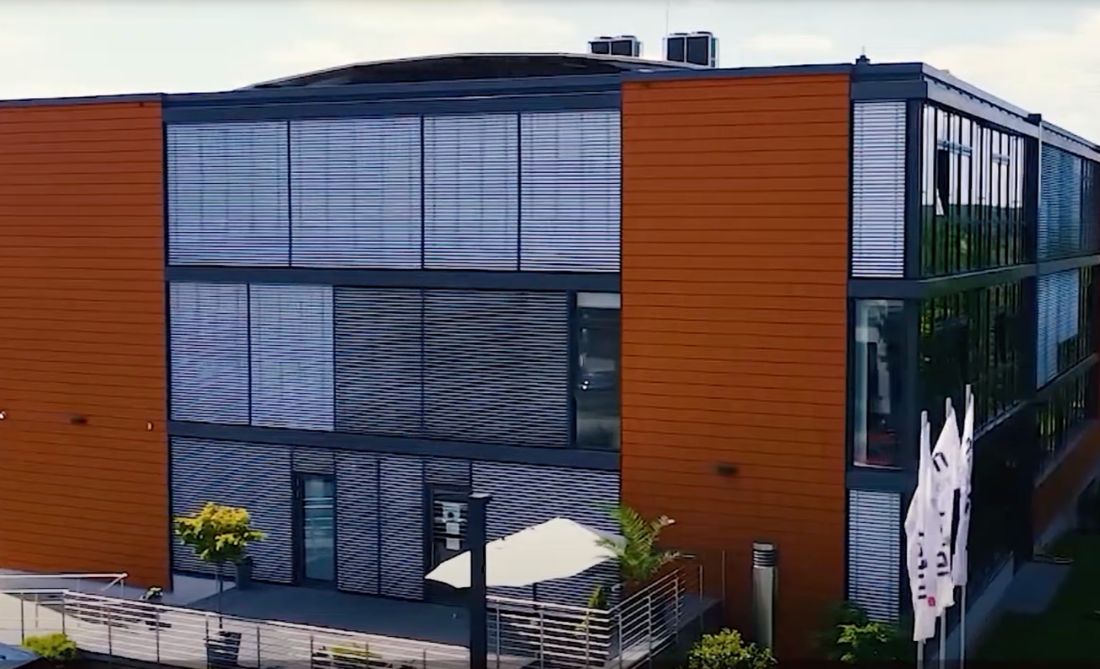
Eliminating Engineering Bottlenecks: Transforming Git & Jira Telemetry into Actionable Intelligence to maximize cross-functional velocity.
Infoteam HELLAS MIKE
Brief Challenge Description
Software teams generate vast data across Git, Jira, and communication tools, yet lack unified intelligence to detect bottlenecks, workload imbalances, and process drift in real time. Decisions rely on intuition rather than evidence, leading to delayed deliveries, burnout, and compounding inefficiencies as organizations scale. Engineering leaders need a proactive, AI-driven approach to optimize how work actually flows from ideation to deployment.
Expected Results from the Solution
The solution will reduce cycle times by identifying and eliminating workflow bottlenecks, enable balanced task distribution to prevent burnout, and provide predictive insights for smarter sprint planning. Teams gain real-time visibility into process inefficiencies, while AI-driven recommendations replace guesswork with evidence-based decisions - resulting in faster delivery and higher quality
Contact the Challenge Owner:
Dr. Alexis Papadimitriou, Managing Director via Alexis.Papadimitriou@infoteam-software.gr
See the Challenge presentation here
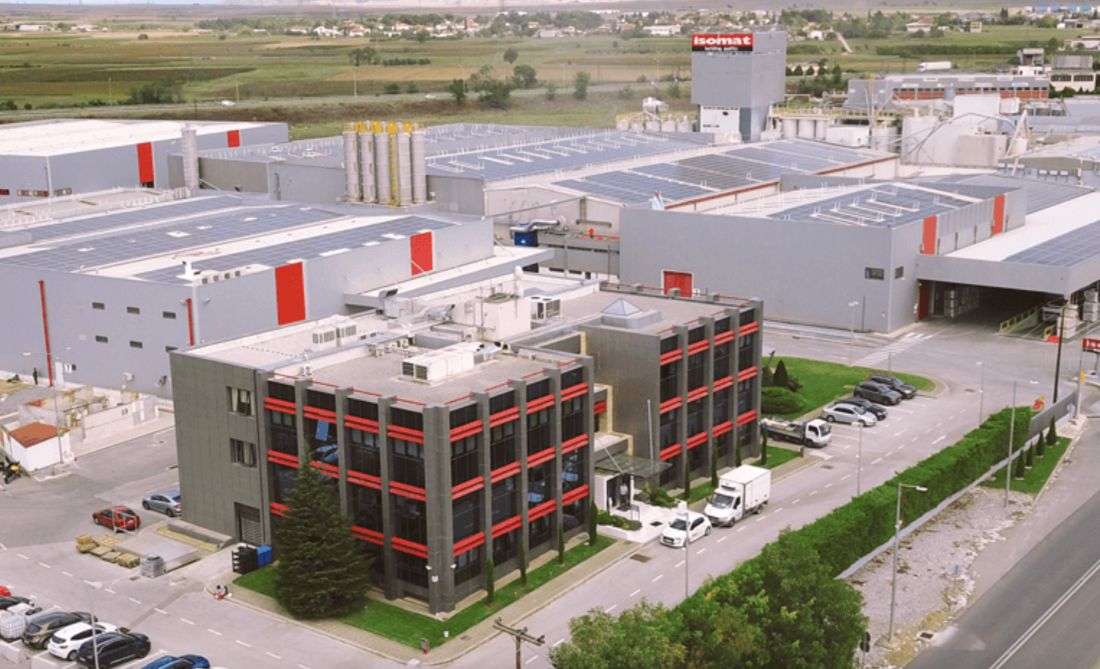
Streamlining Labeling Complexity in Global Product Portfolios
ISOMAT
Brief Challenge Description
ISOMAT, a building-chemicals manufacturer with a portfolio of more than 3,500 SKUs, operates across diverse packaging formats and multiple international markets with varying language requirements. Limited label space, evolving regulatory content, and manual labeling processes create significant complexity. The challenge is to streamline multilingual labeling efficiently while ensuring compliance, scalability, and cost control.
Expected Results from the Solution
The solution is expected to automate language selection based on market needs and regulations, reduce packaging and artwork preparation time, improve accuracy and compliance, and enable more flexible, data-driven labeling strategies. It should also minimize waste, optimize inventory, reduce costs, and enhance collaboration across Marketing, Regulatory, and Supply Chain teams.
Contact the Challenge Owner:
Elisa Lampoudi, Project Manager via e.lampoudi@isomat.gr
See the Challenge presentation here
Improve specifications of a Digital Platform providing services in the Maintenance domain
Maintenance Cluster IKE
Brief Challenge Description
Maintenance services in industry are currently fragmented across multiple providers, systems, and data sources, limiting coordination and the ability to deliver integrated, efficient solutions. This affects industrial companies seeking reliable, end-to-end services, as well as providers lacking a shared digital environment. Addressing this gap can enable collaboration, improve performance, and support scalable, technology-driven solutions
Expected Results from the Solution
The solution is expected to enable coordinated service delivery, integrate data and processes across stakeholders, and support the development of scalable, technology-driven maintenance solutions. It should improve efficiency, decision-making, and access to new markets for participating companies.
Contact the Challenge Owner:
Okeanis Kapousidou, Marketing & Communications Lead via okapousidou@gmail.com
See the Challenge presentation here

Automated Warehouse Inspection (Vision AI)
OLYMPIA ELECTRONICS
Brief Challenge Description
Warehouse receiving processes rely heavily on manual inspection, counting, and verification of incoming materials. This leads to errors, delays, and increased operational costs. The lack of automation limits scalability and real-time visibility, affecting warehouse staff, logistics teams, and overall supply chain efficiency. This challenge drives innovation in industrial processes, enhances operational efficiency, and promotes more responsible resource management.
Expected Results from the Solution
The solution should automate material identification, counting, and verification using computer vision and AI. It should improve accuracy, reduce errors and processing time, and enable real-time validation of deliveries. Integration with ERP/WMS systems and scalability across multiple warehouse environments are expected.
Contact the Challenge Owner:
Dionysios Lakasas, CTO / Chief Technology Officer, via cto@olympia-electronics.com
See the Challenge presentation here
Battery Traceability & Circularity
OLYMPIA ELECTRONICS
Brief Challenge Description
Battery traceability is limited to basic production data, with no end-to-end lifecycle visibility. This restricts compliance with the new EU Battery Regulation and limits ESG reporting, recycling, and reuse. At the same time, the absence of structured data prevents the development of scalable digital services and reduces transparency across the value chain.
Expected Results from the Solution
The solution should enable unique battery identification and full lifecycle tracking from production to end-of-life. It should support ESG and compliance reporting, connect all stakeholders, and facilitate recycling and reuse. At the same time, it should enable the development of scalable digital services and new data-driven revenue streams.
Contact the Challenge Owner:
Dionysios Lakasas, CTO / Chief Technology Officer, via cto@olympia-electronics.com
See the Challenge presentation here
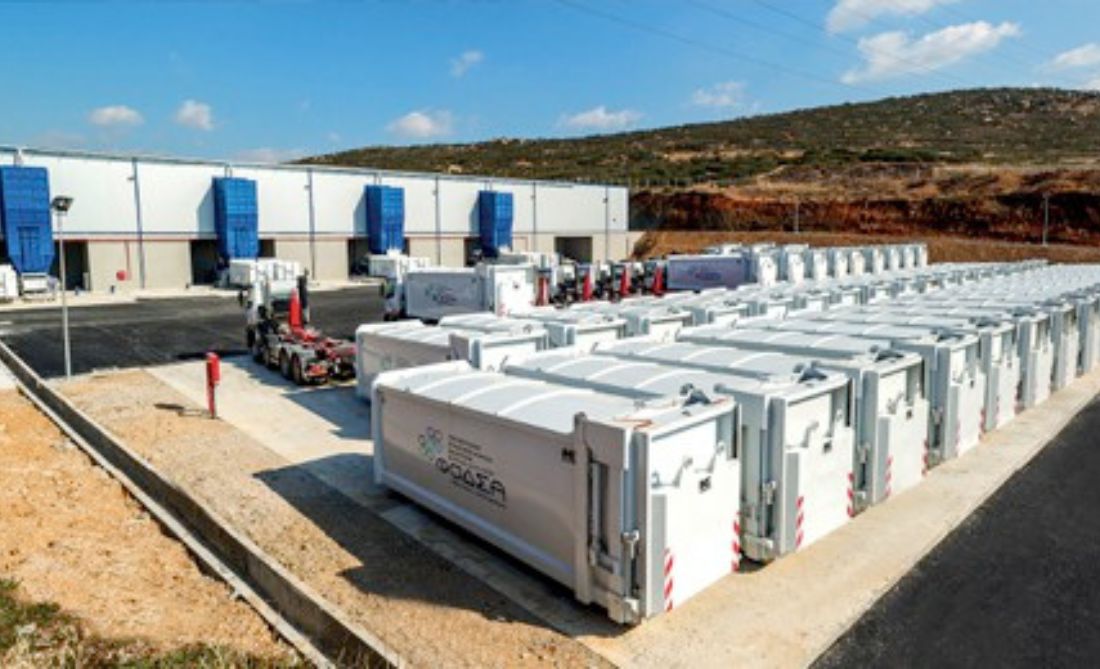
Smart Compost Monitor: Real-Time Remote Quality Monitoring for Composting Facilities
Regional Association of Solid Waste Management Agencies of Central Macedonia (FoDSA CM)
Brief Challenge Description
FODSA Central Macedonia oversees biowaste treatment across multiple existing and planned composting facilities that use different processes and monitoring practices. Today, data collection is fragmented and compost quality is checked mainly through periodic lab tests, limiting real-time oversight, performance comparison, and optimization.. This matters for operators, regulators, municipalities, and end users who depend on safe, compliant, high-quality compost.
Expected Results from the Solution
Expected outcomes include real-time remote monitoring of composting operations, automatic quality indicators, early alerts for deviations, and digital traceability of compost windrows. The solution should improve compost quality, reduce lab analysis costs, optimize facility performance, support certification and compliance, and increase the market value of compost.
Contact the Challenge Owner:
Dora Paschali, MSc Environmental Engineer via th.paschali@fodsakm.gr
See the Challenge presentation here
Innovative Valorization of Plastic Film – Low Density Polyethylene (LDPE) from Mechanical Biological Treatment (MBT) Facilities
Regional Association of Solid Waste Management Agencies of Central Macedonia (FODSA CM)
Brief Challenge Description
Significant quantities of low-density polyethylene (LDPE) plastic film, mainly supermarket bags, are recovered from mixed municipal waste in Mechanical Biological Treatment (MBT) facilities. Due to high contamination with organic residues, moisture, and low density, recycling remains economically unattractive. As a result, the material accumulates without viable outlets, posing operational, environmental, and market challenges for waste management authorities and recycling industries.
Expected Results from the Solution
Pilot a scalable process that turns contaminated LDPE film from MBT into a marketable secondary raw material. Expected outcomes: reduced moisture/contamination, higher recycling and diversion from residue, proven technical/economic viability (LCA/CBA), new local value chain and replicable model for other facilities.
Contact the Challenge Owner:
Christos Koutsas, Chemical Engineer, PhD via ch.koutsas@fodsakm.gr
See the Challenge presentation here
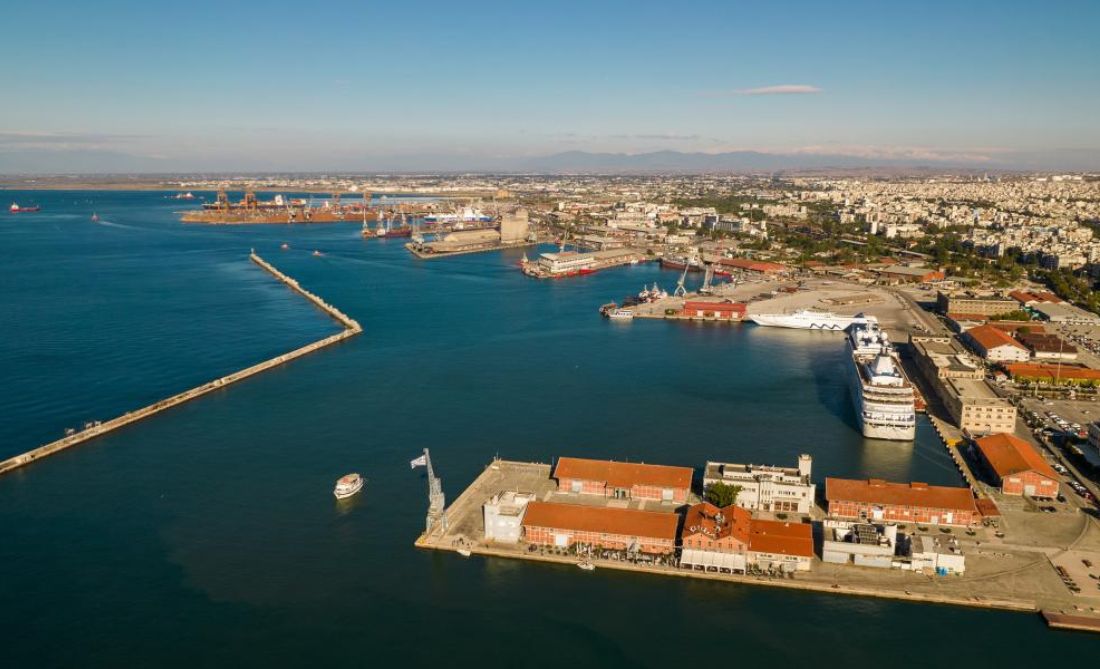
Intelligent Data Verification for Port Operations
THPA S.A.
Brief Challenge Description
THPA S.A. manually reviews 500+ daily customs release applications by comparing shipping line manifests against broker submissions. Current exact-string matching flags harmless wording differences as errors, forcing operators to decide case-by-case. This creates bottlenecks that delay cargo release, strain port throughput, and increase compliance risk. An AI-powered semantic verification engine would eliminate this bottleneck, directly impacting stakeholders across the supply chain.
Expected Results from the Solution
An AI engine that automatically approves or rejects customs release applications by semantically matching cargo data across sources. It scores discrepancy severity, generates plain-language explanations for borderline cases, and learns from operator feedback. The result: fewer manual reviews, faster cargo release, consistent decisions, and an auditable verification trail compliant with trade regul
Contact the Challenge Owner:
Dr. Dimitrios Tsitsamis, Head of Innovation Department via dtsitsamis@thpa.gr
See the Challenge presentation here
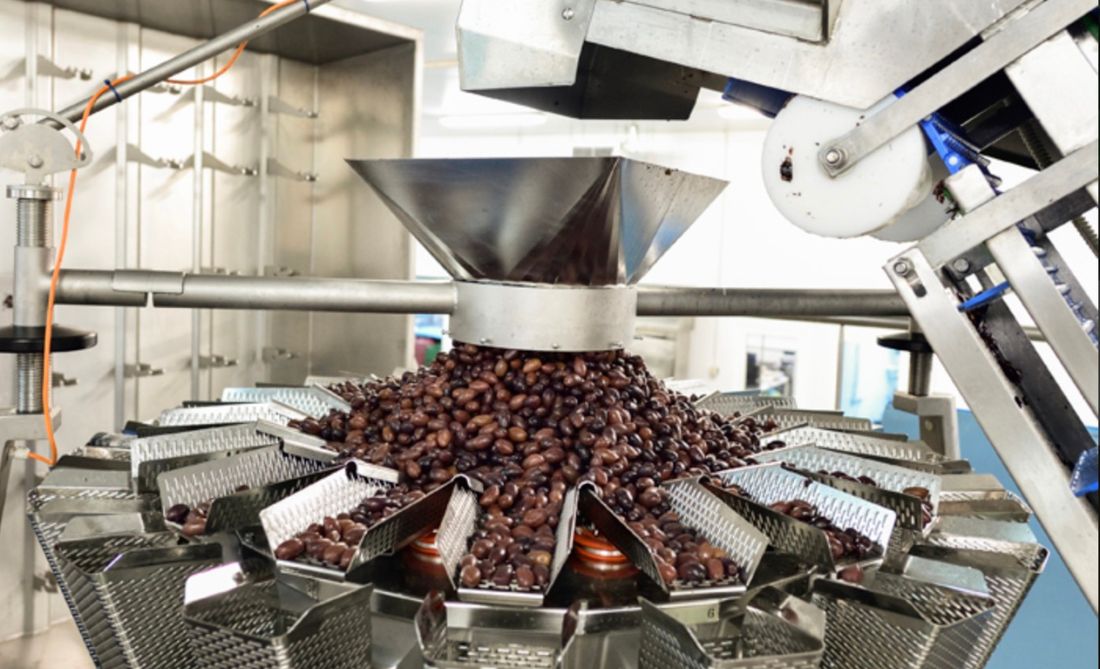
Water management system for food manufacturing company (olive industry). From farm to fork effective ways of water usage.
PELOPAC SA
Brief Challenge Description
We produce olives and spreads for end consumers. The water is key ingredient in our business, from farm to fork. The crop depends from the water as well as our production processes. We believe that the water will be a huge challenge in upcoming years and we want to be prepared for this.
Expected Results from the Solution
Effective water management systems across the supply chain, increase awareness about water usage, contingency plan for food business in case the water will be contaminated. Improve our water usage, recycling the water from production process in order to reuse it, contingency plan in case of water supply failure.
Contact the Challenge Owner:
Konstantinos Alexiou, Plant Director via kostis@pelopac.gr